Entry · Ref BH58K7IN
Just How Social Link Boosts Life in Memory Care
- Posted
- 2026-11-05
- Last amended
- 2026-11-05
- Account
- @johnnylahg170
Business Name: Beehive Homes of Sandy
Address: 9532 S 700 E, Sandy, UT 84070
Phone: (801) 975-5244
Beehive Homes of Sandy
BeeHive Homes of Sandy provides personalized assisted living and memory care in a comfortable residential setting. Our compassionate caregivers deliver attentive daily support focused on dignity, independence, comfort, and quality of life.
9532 S 700 E, Sandy, UT 84070
Business Hours
Social connection alters the feel of a day in memory care more than many families anticipate. A resident may not remember what was served for lunch or whether it drizzled after morning meal, however they usually bear in mind just how they felt sitting with a familiar face, hearing a favorite song, or poking fun at a small joke at the table. Those minutes matter. They steady a person that may already really feel disoriented, and they produce a sense of belonging that can be tough to make any other way.
Families searching for memory care near me are usually concentrated on safety, guidance, and clinical support. Those points issue, certainly. However the very best memory care neighborhoods comprehend that a secure setting is only part of the image. People coping with dementia or other amnesia still need companionship, conversation, touchpoints of routine, and possibilities to be acknowledged as individuals they are. That social textile is not extra. It is a core component of quality elder care.
Why seclusion is so difficult on individuals with memory loss
Memory loss can make the globe really feel unpredictable. A person might not keep in mind where they are, who just left the room, or why the hallway looks unfamiliar today. That uncertainty can lead to withdrawal. Some citizens stop starting conversation due to the fact that they can not maintain. Others become anxious in teams and select silence due to the fact that it really feels safer than attempting and failing.
When social call drops off, the effects appear rapidly. Meals come to be quieter. Rest can become extra uneasy. Somebody that once enjoyed chatting may seem level or far-off. Households in some cases think this is just the illness progressing, but isolation typically aggravates the experience. The mind and the nerves reply to human link, even when memory itself is altering. A warm interaction can lower stress, disrupt repetitive fear, and give the individual a factor to stay oriented to the day.
I have actually seen citizens who barely talked in the morning brighten within mins when the right employee took a seat and inquired about an old leisure activity. Not every interaction comes to be a development, and that is great. The factor is consistency. Repeated small moments of link build up, especially in memory care where count on is constructed slowly.
Social connection gives structure to the day
An individual with amnesia frequently does far better when the day really feels predictable. Social get in touch with aids produce that predictability. Morning meal with the same tablemates, an early morning greeting from the very same caregiver, or a standing mid-day team can end up being anchors. The resident might not consciously track the schedule the method a younger adult would, however the body finds out patterns. Familiar individuals, acquainted voices, and familiar regimens minimize friction.
This is one factor several areas design their memory care programs around shared experiences as opposed to lengthy stretches of unstructured time. A short singalong, a gardening circle, or a folding-towels task done with each other can offer greater than home entertainment. It produces a rhythm. Citizens recognize that something pleasant will happen, which assumption can lower agitation.
That rhythm issues specifically in the late mid-day and early evening, when many individuals with dementia end up being more troubled. A tranquil social activity before that tough home window can make a noticeable distinction. It does not require to be sophisticated. A small team considering image books, a cup of tea with soft songs, or a walk with a team member around the courtyard can transform the tone of the entire evening.
Connection shields dignity
One of the most uncomfortable things about amnesia is just how conveniently a person can be talked over, rushed, or treated like a job rather than a grownup. Social connection, when succeeded, recovers self-respect. It claims, "You still matter below. Your choices still count."
That starts with simple habits. Staff that welcome residents by name. Care companions that pause enough time to listen to a solution. Neighbors at the table who understand that a slower action does not indicate the person has absolutely nothing to say. These are small acts, yet they bring weight.
Families typically see that a parent in memory care seems a lot more participating with people who take the time to develop connection. That is not unusual. Participation improves when a person really feels respected. A resident who trust funds the staff is less most likely to resist showering, less likely to become distressed at medication time, and more probable to participate in activities. Good relationships usually lower the requirement for coaxing.
This is where senior care ends up being more than a solution. It becomes a relationship-based setting. In solid areas, care planning includes social behaviors, not simply medical needs. Who does this resident rest with? What time of day do they open up? Which subjects light them up? These details can be equally as crucial as diet or movement notes.
Familiar voices and deals with matter more than individuals realize
Memory loss can make brand-new information hard to hang on to, however psychological memory typically stays more powerful. A resident might not remember the name of the aide that aided them dress this morning, yet still relax when that assistant walks in due to the fact that the face feels secure. In time, acquainted voices enter into the resident's interior sense of comfort.
This is one factor continuity of team is so beneficial in memory care. Regular turn over can agitate citizens, also when the new personnel are competent and kind. An area that keeps assignments regular, or a minimum of tries to maintain regular call, is commonly providing citizens a major gift. The individual that knows exactly how a person takes coffee, whether they like a handshake or a wave, and what song obtains a smile is doing more than supplying solution. They are aiding protect identity.
Families visiting an area should pay attention to exactly how personnel interact with homeowners that are not in the middle of a sleek tour. Do staff talk to simplicity, or do they sound scripted? Do homeowners appear to acknowledge them? Exists laughter, or only efficiency? Those information tell you a whole lot regarding the social climate.
Group activities work best when they are truly social
Not every set up occasion produces connection. Some activities look good theoretically but leave homeowners bored or overloaded. For individuals coping with cognitive changes, social activities should feel workable, welcoming, and meaningful. A jampacked space with a loud game might help some residents and unsettle others. An area that recognizes memory care will provide a range of engagement styles, not simply one-size-fits-all programming.
The finest activities typically include involvement that feels natural. A singalong can work since the tune carries memory even when words falter. Baking cookies can function since it offers the hands something to do while conversation occurs around the task. Sorting vintage postcards, arranging blossoms, or speaking about a picture album can invite participation without demanding best recall.
There is a distinction between being delighted and being consisted of. Citizens in quality memory care are not just seeing a program. They become part of something. Even a person that states very little may still be mentally involved, nodding along, touching a foot, or grinning at the best moment. Staff who comprehend this do not gauge success only by how many individuals spoke out loud.
The function of small groups and one-on-one moments
Large celebrations are not constantly the response. Lots of citizens do much better in small groups or one-on-one setups, especially when they are early in their medical diagnosis or quickly overstimulated. A solitary discussion while strolling the hallway may soothe an individual more effectively than a space packed with chairs and announcements.
This is where senior living near me searches can end up being a lot more nuanced. Family members are not just trying to find a structure. They are trying to find a culture that can adapt to the individual. Some homeowners thrive in a table of 5 with plenty of babble. Others prefer resting beside one companion while watching birds outside. Good memory care acknowledges these differences and includes them.
One resident I think of commonly was a retired technician that rarely joined team craft projects. He would, nevertheless, illuminate when a team member handed him a wrench to examine or asked him to describe exactly how something worked. He was not being difficult. He was telling everyone, elder care in his very own means, what type of social connection really felt real to him. The best communities pay attention for that.
Family visits still matter, also when memory is uneven
When a loved one enters memory care, households often stress that visits will be complicated or disturbing. That can occur, particularly initially, but routine call typically aids greater than it hurts. Also when a resident can not name a child or recall a grandchild's recent task adjustment, the psychological signal of a visit still lands.
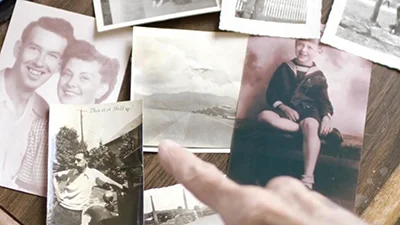
Families do not require to force discussion. Quiet visibility can be sufficient. Looking through old pictures, sharing a snack, listening to songs, or taking a brief walk may create a calmer visit than trying to load every minute with concerns. The goal is not to test memory. The goal is to connect.
It is likewise worth stating that family members visits work best when they align with the resident's power. Some people are sharpest in the morning. Others are a lot more unwinded after lunch. An excellent memory care group can aid households choose better home windows for seeing, which can minimize disappointment on both sides.
When families live away, or when work and caregiving make regular visits hard, communities that use video clip calls or assist work with check-ins can ease a lot of guilt. Technology is not a replacement for human distance, but it can help suffer it.
Social link supports actions in useful ways
Families often ask why one resident seems calmer in one setup and more perturbed in one more. Social link is part of the solution. People with dementia usually reveal discomfort via behavior because words no longer come easily. Monotony, anxiety, solitude, and overstimulation can all appear like uneasyness or resistance.
A resident that really feels understood is usually less complicated to reroute. If a caregiver has put in the time to develop trust fund, after that a hint like "allow's go to lunch with each other" lands differently than a cool guideline. Similarly, a resident who has regular opportunities to speak, relocate, and belong might be less likely to stray merely from worried energy.
That does not mean social communication addresses every little thing. Discomfort, medication problems, and condition development still issue. Yet communities that purchase social life commonly see less avoidable flashpoints. A person with a complete emotional day often tends to be less torn than someone that has spent hours waiting alone.
What good memory care appears like from a social standpoint
Not every community talks freely concerning connection, but the great ones make it very easy to see. Residents are not parked in front of a tv all day. Team are not moving through meals like a production line. There is conversation in the hallways, and it appears patient instead of rushed. People recognize each other's names. There is proof of common life, not simply supervision.
If you are contrasting elder care alternatives, look closely at the environment throughout a regular hour, not just during the tour. Notice whether team kneel to make eye get in touch with. Notice whether citizens seem at ease near each other. Notification whether there are natural minutes of giggling, not organized ones. An area that promotes social connection will normally really feel warmer, much less sterilized, and even more alive.
A useful inquiry to ask is just how the community matches citizens with activities or buddies. Some areas rely on wide schedules. Better ones find out personal choices and readjust. They may know that one resident comes to be nervous in sound and requires a peaceful breakfast table, while an additional grows lonely without a crowd and should be seated near a talkative peer. That type of focus takes work, yet it changes everyday life.
How families can encourage connection after a move
The first couple of weeks in memory care can really feel unusual, even when the relocation was needed and thoroughly planned. Social connection during that shift can soften the sides. Families can help by bringing familiar items, labeling pictures, and sharing simple life tales with personnel. The even more a group learns about the person's background, the far better they can make introductions really feel personal.
A couple of functional practices frequently help:
Bring photos that motivate easy discussion, not stressful tests. A picture of a fishing expedition or a wedding can open a memory lane without requiring best recall.
Share favorite topics, tracks, foods, and old regimens with the care team. Information such as a preferred going to bed treat or a long-lasting morning coffee routine can make a resident feeling more like themselves.
Encourage repeat contact with a few regular team member. Familiarity constructs convenience much faster than turning faces.
These are not grand interventions. They are simple, repeatable ways to help an individual clear up right into senior living near me with even more self-confidence and much less fear.
Social connection helps caretakers too
It is easy to focus just on the resident, however social link improves life for staff and family caregivers too. A neighborhood where homeowners understand each various other and personnel understand locals often tends to run more smoothly. Less interactions are simply transactional. Caregivers obtain even more comments, even more trust, and extra moments that advise them why the work matters.
For family members caregivers that make use of respite care, this is especially crucial. Recognizing that your loved one is not just risk-free however socially engaged can decrease the consistent worry that includes going back, even briefly. A respite keep is much more calming when you can visualize your parent sitting with others at lunch, signing up with a short stroll, or giggling with an assistant who recognizes their preferred baseball team.
That sort of peace of mind matters. It is much easier to rest when you recognize your loved one is not investing the day alone in a chair.
The human part is not optional
It is tempting to think of memory care as generally an action to clinical need. In reality, it is likewise an action to human need. People do not stop requiring relationship, recognition, and belonging due to the fact that they have dementia. If anything, those requirements become sharper when memory is unsteady and the globe really feels harder to read.
Social connection gives citizens a factor to get to exterior. It lowers concern, supports regular, and maintains identification from tightening too far. It can make meals less complicated, afternoons calmer, and shifts less painful. It does not cure memory loss, and it must never be oversold as a magic fix. But for lots of people, it alters the structure of day-to-day live in manner ins which are deeply real.
When families evaluate memory care, they are smart to look past tidiness, staffing ratios, and the appearance of the dining-room. Those things issue. Yet the much deeper concern is this: do people below appear to come from one another? If the solution is of course, the area is doing something important. It is offering locals not just care, yet link. Which can make all the difference.
Beehive Homes of Sandy provides assisted living care
Beehive Homes of Sandy provides memory care services
Beehive Homes of Sandy provides respite care services
Beehive Homes of Sandy supports assistance with bathing and grooming
Beehive Homes of Sandy offers private bedrooms with private bathrooms
Beehive Homes of Sandy provides medication monitoring and documentation
Beehive Homes of Sandy serves dietitian-approved meals
Beehive Homes of Sandy provides housekeeping services
Beehive Homes of Sandy provides laundry services
Beehive Homes of Sandy offers community dining and social engagement activities
Beehive Homes of Sandy features life enrichment activities
Beehive Homes of Sandy supports personal care assistance during meals and daily routines
Beehive Homes of Sandy promotes frequent physical and mental exercise opportunities
Beehive Homes of Sandy provides a home-like residential environment
Beehive Homes of Sandy creates customized care plans as residents’ needs change
Beehive Homes of Sandy assesses individual resident care needs
Beehive Homes of Sandy accepts private pay and long-term care insurance
Beehive Homes of Sandy assists qualified veterans with Aid and Attendance benefits
Beehive Homes of Sandy encourages meaningful resident-to-staff relationships
Beehive Homes of Sandy delivers compassionate, attentive senior care focused on dignity and comfort
Beehive Homes of Sandy has a phone number of (801) 975-5244
Beehive Homes of Sandy has an address of 9532 S 700 E, Sandy, UT 84070
Beehive Homes of Sandy has a website https://beehivehomes.com/locations/sandy/
Beehive Homes of Sandy has Google Maps listing https://maps.app.goo.gl/gxoX9vT5PFH9mJTP9
Beehive Homes of Sandy won Top Assisted Living Homes 2025
Beehive Homes of Sandy earned Best Customer Service Award 2024
People Also Ask about Beehive Homes of Sandy
What does assisted living cost at BeeHive Homes of Sandy?
BeeHive Homes of Sandy offers all-inclusive assisted living pricing. That means one straightforward monthly rate covering personal care, home-cooked meals, housekeeping, laundry, and daily support, with no hidden costs or surprise fees. Because we offer seasonal pricing and current availability can change, we invite families to call for up-to-date rates and any current offers. Before move-in, our team completes a personalized assessment of health, mobility, medication, and activities-of-daily-living needs, so we can confirm the right care plan and share clear pricing for your family.
Can residents remain at BeeHive Homes as their care needs change?
Yes. In almost all cases, residents can remain at BeeHive Homes of Sandy as their care needs change, aging in place in a familiar, homelike environment. Because we coordinate with third-party home health and hospice providers, residents can receive added care right in the home rather than relocating. It is very rare for a resident to need to move, and that typically happens only when someone requires continuous skilled nursing or hospital-level care beyond what an assisted living or memory care home can safely provide.
Is a nurse available at BeeHive Homes of Sandy?
Yes. BeeHive Homes of Sandy has a nurse who provides day-to-day oversight of residents and works directly with each resident's own physicians and healthcare providers to continue the best possible care. Residents may keep seeing their preferred doctors, and when ordered by a medical provider, home health, therapy, or hospice services can often be delivered directly in the home. Caregiver support is available 24 hours a day.
What are the visiting hours at BeeHive Homes of Sandy?
Visit anytime. At BeeHive Homes of Sandy, we would rather family come too often than not often enough, because strong family relationships are an important part of every resident's well-being. We simply ask that visits be respectful of the other residents who live here, along with each resident's meals, rest, and care schedule. If you would like to come very early or very late, just let us know in advance and we will make it work.
Are rooms available for couples at BeeHive Homes of Sandy?
BeeHive Homes of Sandy may have room options for couples who wish to remain together while receiving senior care. Availability depends on current openings, room size, and the care needs of both individuals. Please contact our team to discuss available accommodations and find the best fit for your family.
What services are provided at BeeHive Homes of Sandy?
BeeHive Homes of Sandy provides personalized assistance with bathing, dressing, grooming, mobility, medication management, meals, housekeeping, laundry, and other activities of daily living. Residents also enjoy private rooms, home-cooked meals, engaging senior activities, and caregiver support available 24 hours a day, all in a smaller, residential-style setting that feels like home.
Does BeeHive Homes of Sandy offer memory care and respite care?
Yes. BeeHive Homes of Sandy offers both memory care and assisted living. Our memory care supports residents living with Alzheimer's disease, dementia, or other cognitive changes. Short-term respite care is also available for recovery periods, caregiver relief, or families who want to experience BeeHive Homes before considering a long-term move. Availability and suitability are determined through an individual assessment.
How can I schedule a tour of BeeHive Homes of Sandy?
Call (801) 975-5244 to schedule a tour of BeeHive Homes of Sandy anytime. A personal visit is often the best way to experience our calm, homelike atmosphere, meet our caregivers, see the private rooms and shared spaces, and ask questions about assisted living, memory care, or respite care in Sandy, Utah. We would love to help you decide whether BeeHive Homes is the right next step for someone you love.
Where is Beehive Homes of Sandy located?
Beehive Homes of Sandy is conveniently located at 9532 S 700 E, Sandy, UT 84070. You can easily find directions on Google Maps or call at (801) 975-5244 Monday through Sunday Open 24 hours
How can I contact Beehive Homes of Sandy?
You can contact Beehive Homes of Sandy by phone at: (801) 975-5244, visit their website at https://beehivehomes.com/locations/sandy/
Lone Peak Park offers a beautiful setting where families connected with Assisted living, memory care, senior care, elderly care, and respite care can enjoy fresh air, walking paths, and quality time together.